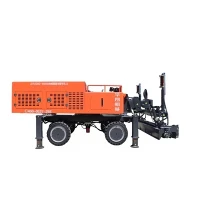
Hey there! As a supplier of walk - behind spreaders, I often get asked about the spreading angle of these nifty machines. So, let's dive right in and figure out what this spreading angle is all about.
First off, what exactly is a walk - behind spreader? Well, it's a piece of equipment that you can push around to spread various materials like fertilizers, seeds, or dry shake compounds on the ground. We offer a range of walk - behind spreaders, including the Manual Dry Shake Spreader, Self - propelled Walk - behind Spreader, Warehouse Floor Walk - behind Spreader, Epoxy Specialized Walk - behind Spreader, and Walk - behind Spreader with Metering Device. Each type has its own unique features and is designed for different applications.
Now, let's talk about the spreading angle. The spreading angle of a walk - behind spreader refers to the width of the area over which the material is distributed as the spreader moves forward. It's usually measured in degrees. A wider spreading angle means that the material will be spread over a larger area with each pass of the spreader.
Why does the spreading angle matter? Well, it has a big impact on how efficiently you can cover a given area. If you have a small spreading angle, you'll need to make more passes to cover the same area, which can be time - consuming. On the other hand, if the spreading angle is too wide, the material might not be distributed evenly, and you could end up with patches where there's too much or too little of the spread material.

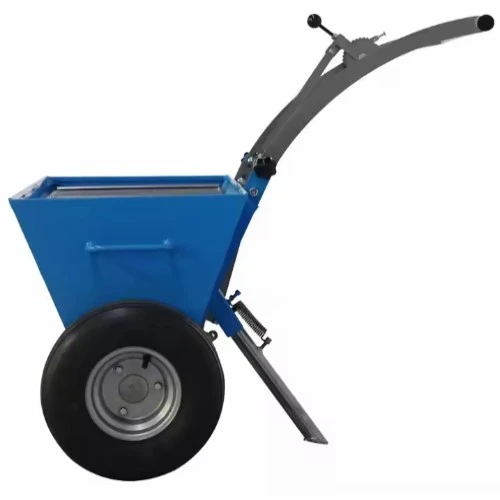
Several factors can affect the spreading angle of a walk - behind spreader. One of the main factors is the design of the spreader itself. Different models have different mechanisms for spreading the material, and these mechanisms can influence the spreading angle. For example, some spreaders use a spinning disc to throw the material out, while others use a series of tubes or nozzles. The shape and size of the disc or the configuration of the tubes can determine how wide the material is spread.
The type of material being spread also plays a role. Some materials are heavier or more granular than others, and this can affect how far they are thrown and how wide the spreading angle is. For instance, a fine powder might spread more evenly and have a wider spreading angle compared to a large - grained fertilizer.
The speed at which you push the spreader can also impact the spreading angle. If you push the spreader too fast, the material might not have enough time to be distributed properly, and the spreading angle could be narrower. Conversely, if you push it too slowly, the material might build up in one area, leading to an uneven spread.
Let's take a closer look at how to measure the spreading angle. One way to do this is to set up the spreader on a flat surface and mark the edges of the area where the material is being spread. Then, you can use a protractor or a measuring tape to determine the angle. It's important to do this under controlled conditions, such as on a calm day, to get an accurate measurement.
When it comes to choosing the right spreading angle for your needs, it depends on the specific job you're doing. If you're spreading a small area, a smaller spreading angle might be sufficient. But if you're covering a large field or a warehouse floor, a wider spreading angle will save you time and effort.
For example, if you're using a Warehouse Floor Walk - behind Spreader to spread dry shake compound on a large warehouse floor, you'll want a relatively wide spreading angle to cover the area quickly. On the other hand, if you're using a Manual Dry Shake Spreader for a small, detailed project, a narrower spreading angle might give you more control.
Our spreaders are designed to offer adjustable spreading angles in many cases. This allows you to customize the spread according to your specific requirements. You can easily adjust the settings on the spreader to increase or decrease the spreading angle, depending on the job at hand.
Another thing to consider is the distribution pattern. In addition to the spreading angle, the way the material is distributed within that angle is also important. A good spreader should provide an even distribution of the material across the spreading area. Some of our spreaders, like the Walk - behind Spreader with Metering Device, are equipped with features that help ensure a more consistent distribution.
So, if you're in the market for a walk - behind spreader, it's crucial to understand the spreading angle and how it can affect your work. Whether you're a professional landscaper, a warehouse manager, or someone working on a DIY project, choosing the right spreader with the appropriate spreading angle can make a big difference in the efficiency and quality of your work.
If you have any questions about our walk - behind spreaders or need help choosing the right one for your needs, don't hesitate to reach out. We're here to assist you with all your spreading requirements. Let's have a chat and find the perfect spreader for your next project!
References:
- General knowledge of walk - behind spreader technology and applications.
- Manufacturer's specifications and product manuals for our walk - behind spreaders.