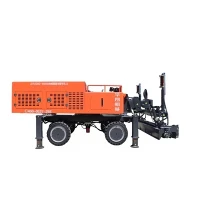
Hey there! As a supplier of walk - behind laser screeds, I often get asked about how often the spare parts of these machines should be replaced. It's a crucial question because the right replacement schedule can keep your machine running smoothly and save you a lot of headaches (and money) in the long run.
First off, let me give you a quick rundown on what a walk - behind laser screed is. It's a nifty piece of equipment used in concrete construction. It helps in leveling and smoothing concrete surfaces with high precision, making the whole process a lot faster and more efficient. And we offer some great models, like the HWAON100 - 2Lconcrete Screed Machine, HWAON100 - 2 Automatic Laser Level Screed, Walk - behind Screed for Building Floors, Handheld Concrete Laser Screed, and Walk - behind Laser Screed with Vibrating Plate.
Now, let's talk about the different spare parts and their replacement intervals.
Blades
The blades of a walk - behind laser screed are one of the most important parts. They're in direct contact with the concrete and do the actual leveling work. How often you need to replace them depends on a few factors. If you're working with a lot of abrasive concrete mixes, the blades will wear out faster. On average, if you're using the screed for normal construction projects, you might need to replace the blades every 50 - 100 hours of operation. But if you're dealing with really tough concrete, like high - strength mixes or concrete with a lot of aggregates, you could be looking at replacing them every 30 - 50 hours.
You can tell when the blades need replacing by looking at their edges. If they're chipped, worn down, or not cutting the concrete as smoothly as they used to, it's time for a new set. A dull blade not only affects the quality of the leveling but also puts more strain on the rest of the machine, which can lead to other problems.
Laser Sensors
Laser sensors are what make these screeds so accurate. They detect the laser beam and adjust the screed's height accordingly. These sensors are pretty delicate, and their lifespan depends on how well they're maintained.
Under normal conditions, you should check the laser sensors every 20 - 30 hours of operation. Look for any signs of damage, like cracks or loose connections. If you notice any issues, it's best to have them repaired or replaced right away. In general, you can expect to replace the laser sensors every 200 - 300 hours of use. However, if the machine is exposed to a lot of dust, vibrations, or extreme temperatures, the sensors might fail earlier.
Motors
The motors in a walk - behind laser screed are responsible for powering the machine. They're built to last, but they still need some attention. You should perform regular maintenance on the motors, like checking the oil levels (if it's an oil - cooled motor) and cleaning the air filters.
As for replacement, it's a bit more complicated. If the motor is well - maintained, it can last for thousands of hours. But if you start to notice strange noises, a drop in performance, or overheating, it could be a sign that the motor is on its way out. In most cases, you might need to replace the motor after 1000 - 1500 hours of operation. However, this can vary depending on the quality of the motor and how hard you're running the machine.


Belts and Chains
Belts and chains are used to transfer power from the motor to the different parts of the screed. They can stretch or wear out over time, especially if they're under a lot of tension. You should inspect the belts and chains every 10 - 15 hours of operation. Look for signs of fraying, cracking, or excessive slack.
If you notice any problems, it's usually best to replace the belts or chains right away. On average, you can expect to replace them every 100 - 200 hours of use. But again, this can change depending on the workload and the quality of the components.
Hydraulic Components
If your walk - behind laser screed has hydraulic systems, the hydraulic components are also important to keep an eye on. This includes hydraulic hoses, pumps, and cylinders.
The hydraulic hoses should be inspected for leaks or signs of wear every 15 - 20 hours of operation. If you see any leaks or if the hoses are starting to crack, they need to be replaced immediately. Hydraulic pumps and cylinders can last a long time if the hydraulic fluid is kept clean and at the right level. But you should still perform regular maintenance and check for any signs of damage. In general, you might need to replace these components every 500 - 800 hours of operation, depending on usage.
Other Factors Affecting Replacement Intervals
It's not just the type of component that affects how often you need to replace the spare parts. There are other factors too.
Usage Frequency: If you're using the walk - behind laser screed every day for long hours, the parts will wear out faster compared to using it occasionally. For example, a contractor who uses the screed on a daily construction site will need to replace parts more often than someone who only uses it for small home improvement projects a few times a year.
Working Conditions: Harsh working conditions can really take a toll on the machine. If you're working in a dusty environment, the air filters and laser sensors will get dirty faster. Extreme temperatures, whether it's really hot or really cold, can also affect the performance and lifespan of the components. For instance, in hot weather, the hydraulic fluid might break down more quickly, and in cold weather, the belts and chains might become more brittle.
Maintenance Practices: Regular maintenance is key to prolonging the life of the spare parts. Simple things like cleaning the machine after each use, tightening loose bolts, and following the manufacturer's maintenance schedule can make a big difference. If you neglect maintenance, you'll end up replacing parts more often.
So, there you have it! A breakdown of how often you should replace the spare parts of a walk - behind laser screed. It might seem like a lot to keep track of, but it's all about making sure your machine is in top - notch condition.
If you're in the market for a walk - behind laser screed or need spare parts for your existing machine, don't hesitate to reach out. We're here to help you get the most out of your equipment and ensure that your concrete projects go smoothly. Drop us a line for more information or to start a conversation about your specific needs.
References
- Construction Equipment Maintenance Handbook.
- Manufacturer's manuals for walk - behind laser screeds.