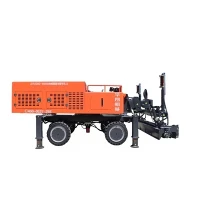
Hey there! If you're in the construction business, you know how important a ride-on laser screed is for getting that smooth, level concrete surface. One question that often pops up is, "How often should the blades of a ride-on laser screed be replaced?" Well, I'm here as a ride-on laser screed supplier to break it down for you.
First off, let's talk about why the blades matter. The blades are the key component that actually does the leveling work. They cut through the concrete, smoothing it out and ensuring that the surface meets the required flatness and levelness standards. When the blades start to wear out, they won't be able to do this job as effectively. You might end up with an uneven surface, which can lead to all sorts of problems down the line, like cracking or poor drainage.


So, what factors determine how often you should replace the blades?
1. Frequency of Use
This is probably the most obvious factor. If you're using your ride-on laser screed every day, the blades are going to wear out faster than if you're only using it once a week. Think of it like the tires on your car. The more you drive, the more wear and tear they experience. If you're running a large - scale construction project where the screed is in constant use, you might need to replace the blades every few weeks or months, depending on the intensity of the work.
2. Type of Concrete
Not all concrete is created equal. Some types of concrete are more abrasive than others. For example, if you're working with high - strength concrete that has a lot of aggregate or is very hard, it's going to put more stress on the blades. Aggregate particles can act like little sandpaper, gradually wearing down the blade edges. In this case, you may find that you need to replace the blades more frequently. On the other hand, if you're using a softer, less abrasive concrete mix, the blades will last longer.
3. Operating Conditions
The environment in which you're using the ride - on laser screed also plays a crucial role. If you're working in a dirty, dusty environment, the dust and debris can get into the blade mechanisms and cause additional wear. Also, extreme temperatures can affect the performance and durability of the blades. High temperatures can make the metal softer, causing it to deform more easily, while cold temperatures can make the blade more brittle.
4. Blade Quality
Let's face it; not all blades are of the same quality. Higher - quality blades are usually made from better materials and have a more advanced design. They're more resistant to wear and tear and can last longer. When you buy a ride - on laser screed from us, we offer a range of high - quality blades that are designed to withstand the rigors of construction work. However, even the best blades will need to be replaced eventually.
Now, let's get into some general guidelines for blade replacement:
Light - Use Scenarios
If you're using the ride - on laser screed only occasionally, say for small projects or just a few days a month, you might be able to go for 6 - 12 months before replacing the blades. This gives you enough time to use up the blade's lifespan without cutting corners on quality.
Medium - Use Scenarios
For those who use the screed a few times a week, you should start checking the blades every 3 - 6 months. Look for signs of wear, such as rounded edges, uneven cutting, or a decrease in the smoothness of the finished surface. If you notice any of these signs, it's probably time to replace the blades.
Heavy - Use Scenarios
In large - scale construction projects where the screed is in use almost daily, the blades may need to be replaced every 1 - 3 months. It might seem like a lot, but it's a small price to pay for a high - quality finish.
How can you tell when it's time to replace the blades?
Visual Inspection
Take a close look at the blades. If you see significant wear, chipping, or dullness, it's a clear sign that they need to be replaced. You can also run your finger (carefully!) along the blade edge to feel for any roughness or unevenness.
Performance Check
If you notice that the screed isn't leveling the concrete as smoothly as it used to, or if you're having to make more passes to get the desired finish, the blades could be the culprit. A drop in performance is often a good indicator that it's time for a change.
As a ride - on laser screed supplier, we understand the importance of having the right equipment and keeping it in top condition. That's why we offer high - quality replacement blades that are specifically designed for our machines. And by the way, if you're interested in learning more about our products, check out these links:
- Concrete Laser Vibratory Screed Made in China
- Laser Road Construction
- HA100 - 4D Laser Level Screed
- Laser Screed Concrete Machine
- Ride - on Laser Screed with Planetery Reducer
These links will give you more details about the different models and features of our ride - on laser screeds.
If you're in the market for a new ride - on laser screed or need to replace your blades, don't hesitate to get in touch. We're here to help you make the right choice and ensure that your construction projects run smoothly. Whether you're a small contractor or a large construction company, we have the products and expertise to meet your needs.
In conclusion, the frequency of blade replacement for a ride - on laser screed depends on several factors, including frequency of use, type of concrete, operating conditions, and blade quality. By keeping an eye on these factors and regularly inspecting your blades, you can ensure that your screed is always performing at its best.
References
- Construction Equipment Handbook
- Concrete Technology Manuals