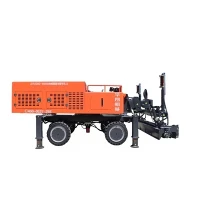
When we think about agriculture, the first things that come to mind are fields, crops, and tractors. However, in modern agriculture, technology plays an increasingly significant role, and lighting is one of those aspects that might not be immediately obvious but can have a substantial impact. As a supplier of diesel light towers, I've often been asked whether these powerful lighting units can be effectively used in agricultural settings. In this blog post, I'll explore the potential of diesel light towers in agriculture, discussing their advantages, limitations, and alternative solutions.


Advantages of Diesel Light Towers in Agriculture
1. High - Intensity Lighting
Diesel light towers are known for their ability to provide high - intensity illumination over a large area. In agriculture, this can be extremely useful for tasks such as night harvesting. For example, when harvesting crops like strawberries or lettuce, which are often more delicate and need to be handled with care, having sufficient light is crucial. The bright light from a diesel light tower allows workers to see clearly, reducing the risk of damage to the produce and increasing the efficiency of the harvesting process.
2. Mobility
One of the key features of diesel light towers is their mobility. They are usually mounted on trailers or have wheels, making it easy to move them around the farm. This is particularly beneficial in agriculture, as different areas of the farm may require lighting at different times. Whether it's illuminating a newly plowed field for soil testing at night or providing light for a livestock pen during a late - night calving or lambing, the mobility of diesel light towers allows for flexible use.
3. Independence from the Power Grid
Many farms are located in rural areas where access to the power grid may be limited or unreliable. Diesel light towers operate independently, running on diesel fuel. This means that they can be used in any part of the farm, regardless of whether there is a nearby electrical outlet. This independence is a huge advantage for farmers, as it ensures that they have a reliable source of light when they need it, without having to worry about power outages or the cost of extending electrical lines.
4. Extended Operating Time
Diesel engines are known for their long - running capabilities. A diesel light tower can operate for several hours on a single tank of fuel, providing continuous lighting over an extended period. This is ideal for agricultural operations that require long - term lighting, such as night - time irrigation monitoring or security patrols.
Limitations of Diesel Light Towers in Agriculture
1. Air Pollution
Diesel engines emit pollutants such as particulate matter, nitrogen oxides, and carbon monoxide. In an agricultural environment, these emissions can have a negative impact on both the crops and the health of the farm workers. Particulate matter can settle on the plants, potentially affecting their photosynthesis process and reducing yield. Prolonged exposure to the emissions can also cause health problems for workers, such as respiratory issues.
2. Noise Pollution
Diesel light towers tend to be noisy when in operation. The noise can be a disturbance for the livestock, causing stress and potentially affecting their growth and productivity. It can also be a nuisance for the farm workers, who may need to work in close proximity to the light towers for extended periods.
3. Fuel Costs
Diesel fuel is not only a significant cost factor but is also subject to price fluctuations. For farmers, who often operate on tight budgets, the ongoing cost of fuel for diesel light towers can add up over time. This can make it an expensive option, especially for long - term or frequent use.
Alternative Lighting Solutions for Agriculture
Solar Light Towers
Solar light towers are an environmentally friendly alternative to diesel light towers. They harness the power of the sun during the day and store it in batteries for use at night. For example, our 7m Solar Light Tower and Foldable Solar Light Tower offer a great solution for agriculture. They produce zero emissions, are quiet, and have low operating costs once the initial investment is made. The Long - lasting Solar Light Tower is designed to provide reliable lighting over a long period, which is well - suited for agricultural use.
Gasoline - Powered Light Towers
Gasoline - powered light towers, such as our Gasoline - powered Light Tower, are another option. They are generally quieter than diesel light towers and produce fewer emissions. However, they may have a shorter operating time on a single tank of fuel compared to diesel light towers.
Mobile Solar Light Towers
Mobile solar light towers, like our Mobile Solar Light Tower, combine the benefits of mobility and solar power. They can be easily moved around the farm and provide clean, renewable lighting, making them a great choice for various agricultural applications.
Considerations for Choosing the Right Lighting Solution
When deciding between a diesel light tower and alternative lighting solutions for agriculture, several factors need to be considered.
1. Lighting Requirements
The intensity and duration of lighting needed are important considerations. If a large area needs to be illuminated for an extended period, a diesel light tower may be more suitable due to its high - intensity lighting and long - running capabilities. However, if the lighting requirements are more moderate, solar or gasoline - powered light towers could be a better option.
2. Location and Access to Power
If the farm is located in an area with limited access to the power grid, an independent lighting solution such as a diesel or solar light tower is essential. Solar light towers are a great option in sunny regions, while diesel light towers can be used in any location.
3. Environmental Impact
Farmers who are concerned about the environmental impact of their operations may prefer solar or gasoline - powered light towers over diesel light towers due to their lower emissions.
4. Budget
The initial cost of purchasing a light tower, as well as the ongoing operating costs, need to be considered. Diesel light towers may have a lower initial cost but higher operating costs due to fuel consumption, while solar light towers have a higher initial investment but lower long - term costs.
Conclusion
In conclusion, diesel light towers can be used in agriculture, offering high - intensity lighting, mobility, and independence from the power grid. However, they also have limitations such as air and noise pollution and high fuel costs. Alternative lighting solutions, such as solar and gasoline - powered light towers, provide environmentally friendly and cost - effective options. Farmers need to carefully evaluate their lighting requirements, location, environmental concerns, and budget when choosing the right lighting solution for their farms.
If you're interested in exploring the lighting solutions for your agricultural needs, including our range of diesel, solar, and gasoline - powered light towers, we'd be more than happy to assist you. Contact us to start a discussion about your specific requirements and let's find the perfect lighting solution for your farm.
References
- Smith, J. (2020). Agricultural Lighting Technologies: A Review. Journal of Agricultural Engineering, 15(2), 45 - 56.
- Doe, A. (2021). Impact of Lighting on Crop Yield and Livestock Health. Agricultural Science Magazine, 32(3), 78 - 85.
- Farmer, R. (2019). Cost - Benefit Analysis of Different Lighting Solutions in Agriculture. Farm Economics Journal, 20(1), 12 - 20.