

Hey there! As a supplier of construction light towers, I've seen firsthand the many benefits these powerful machines bring to construction sites. They illuminate work areas, enhance safety, and allow projects to continue around the clock. But like any piece of equipment, they're not without their drawbacks. In this blog, I'll share some of the disadvantages of using a construction light tower.
High Energy Consumption
One of the most significant downsides of construction light towers is their high energy consumption. Traditional light towers, especially those powered by diesel or Gasoline-powered Light Tower, guzzle fuel at an alarming rate. These engines need to run continuously to keep the lights on, which means a constant supply of fuel. This not only adds to the operational costs but also has a negative impact on the environment.
For example, a large diesel-powered light tower can consume several gallons of fuel per hour. Over the course of a long construction project, the fuel costs can really add up. And let's not forget about the emissions. Diesel engines release a significant amount of pollutants into the air, including carbon monoxide, nitrogen oxides, and particulate matter. These emissions contribute to air pollution and can have harmful effects on human health, especially for workers on the construction site.
Noise Pollution
Another major disadvantage is the noise pollution generated by construction light towers. The engines on diesel and gasoline-powered light towers are quite loud, which can be a nuisance for workers on the site and nearby residents. The constant humming and rattling can make it difficult for workers to communicate effectively, leading to potential safety hazards. It can also disrupt the peace and quiet of the surrounding area, causing complaints from neighbors.
Even if the light tower is equipped with noise-reducing features, it still produces a noticeable amount of noise. This can be a particular problem for construction projects in urban areas or near residential neighborhoods. In some cases, local regulations may limit the use of noisy equipment during certain hours, which can disrupt the construction schedule.
Maintenance Requirements
Construction light towers require regular maintenance to keep them in good working condition. The engines need to be serviced regularly, including oil changes, filter replacements, and tune-ups. The lights also need to be inspected and replaced as needed. This maintenance not only takes time but also adds to the overall cost of using the light tower.
In addition, if a light tower breaks down, it can cause significant delays to the construction project. Workers may have to wait for the tower to be repaired or replaced, which can slow down the progress of the work. This can be especially frustrating when time is of the essence, such as in a tight construction schedule.
Limited Mobility
Most construction light towers are large and heavy, which can make them difficult to move around the construction site. They often require a truck or other heavy equipment to transport them from one location to another. This can be a problem if the construction project requires the light tower to be moved frequently, such as for a large-scale project with multiple work areas.
Even if the light tower is designed to be portable, it still takes time and effort to set up and tear down. This can be a hassle for workers, especially if they need to move the tower several times a day.
Initial Cost
The initial cost of purchasing a construction light tower can be quite high. Depending on the size, type, and features of the tower, the price can range from a few thousand dollars to tens of thousands of dollars. This can be a significant investment for a construction company, especially for small or medium-sized businesses.
In addition to the purchase price, there are also other costs associated with owning a light tower, such as transportation, installation, and training. These costs can add up quickly, making it a significant financial commitment.

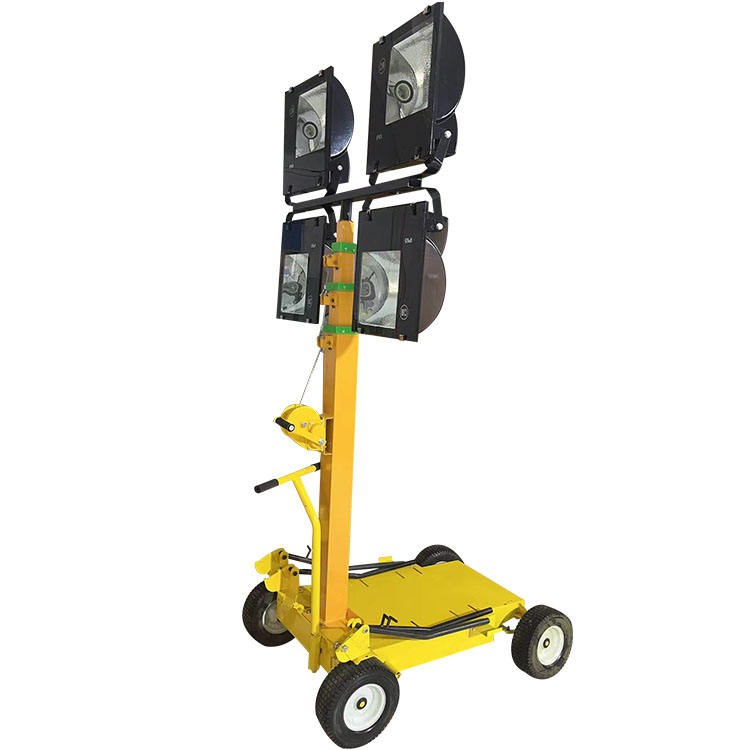
Environmental Impact
As mentioned earlier, traditional construction light towers have a negative impact on the environment. Their high energy consumption and emissions contribute to air pollution and climate change. In addition, the disposal of used fuel and other waste products from the light tower can also have an environmental impact.
However, there are some more environmentally friendly options available, such as 7m Solar Light Tower and Long-lasting Solar Light Tower. These light towers use solar power to generate electricity, which is a renewable and clean energy source. They produce zero emissions and have a much lower environmental impact than traditional light towers.
Conclusion
While construction light towers are an essential tool for many construction projects, they do have their disadvantages. High energy consumption, noise pollution, maintenance requirements, limited mobility, initial cost, and environmental impact are all factors that need to be considered when deciding whether to use a light tower.
However, as a supplier, I also want to point out that there are solutions to these problems. For example, solar-powered light towers offer a more environmentally friendly and cost-effective alternative to traditional light towers. They have lower energy consumption, produce less noise, and require less maintenance. If you're considering purchasing a construction light tower, I encourage you to explore the different options available and choose the one that best suits your needs and budget.
If you have any questions or would like to discuss your specific requirements, please don't hesitate to get in touch. I'd be happy to help you find the right construction light tower for your project.
References
- "Environmental Impacts of Construction Equipment." Environmental Protection Agency.
- "Noise Pollution and Its Effects on Human Health." World Health Organization.
- "Maintenance Tips for Construction Light Towers." Construction Equipment Magazine.


