

As a supplier of Slope Power Screeds, I've witnessed firsthand the transformative impact these tools have on construction projects. One of the most frequently asked questions from our customers is about how a Slope Power Screed affects the drying time of the screed. In this blog post, I'll delve into the science behind it, exploring the various factors at play and how our innovative products can optimize the drying process.
Understanding the Basics of Screed Drying
Before we dive into the role of a Slope Power Screed, it's essential to understand the fundamentals of screed drying. Screed is a thin layer of material, typically a mixture of cement, sand, and water, applied to a floor or other surface to create a smooth, level finish. The drying process is crucial as it determines the strength, durability, and overall quality of the screed.
The drying of screed is a complex process that involves the evaporation of water from the mixture. This evaporation occurs through two main mechanisms: surface evaporation and internal drying. Surface evaporation happens when water at the surface of the screed turns into vapor and escapes into the surrounding air. Internal drying, on the other hand, involves the movement of water from the interior of the screed to the surface, where it can then evaporate.
Several factors influence the drying time of screed, including the type of screed used, the thickness of the screed layer, the environmental conditions (such as temperature, humidity, and air circulation), and the method of application.
How a Slope Power Screed Affects Drying Time
A Slope Power Screed is a powerful tool designed to level and smooth screed quickly and efficiently. It uses a vibrating action to compact the screed and remove any air bubbles, resulting in a more uniform and dense surface. This compaction and leveling process can have a significant impact on the drying time of the screed.
Improved Compaction and Density
One of the primary ways a Slope Power Screed affects drying time is by improving the compaction and density of the screed. When the screed is properly compacted, there are fewer voids and air pockets within the material. This reduces the amount of water that can be trapped inside the screed, allowing it to dry more quickly.
In addition, a more compact and dense screed has a smaller surface area exposed to the air. This means that there is less water available for evaporation at the surface, which can help to prevent excessive surface drying and cracking. By promoting more uniform drying throughout the screed layer, a Slope Power Screed can significantly reduce the overall drying time.
Enhanced Surface Finish
Another benefit of using a Slope Power Screed is that it can create a smoother and more even surface finish. A smooth surface has less resistance to air flow, which can improve air circulation over the screed. This increased air circulation helps to carry away the moisture that is evaporating from the surface, accelerating the drying process.
Furthermore, a smooth surface is less likely to develop cracks or uneven drying patterns. Cracks can act as channels for water to escape from the interior of the screed, which can slow down the drying process and compromise the integrity of the screed. By preventing cracks and ensuring a more uniform surface, a Slope Power Screed can help to optimize the drying time and improve the quality of the finished screed.
Precise Slope Control
Many Slope Power Screeds are equipped with features that allow for precise slope control. This is particularly important in applications where proper drainage is required, such as in bathrooms, kitchens, and outdoor areas. By creating a consistent slope, the screed can drain water more effectively, reducing the amount of water that needs to evaporate from the surface.
In addition, a well-drained screed is less likely to develop standing water, which can lead to slow drying and the growth of mold and mildew. By ensuring proper drainage, a Slope Power Screed can help to speed up the drying process and prevent potential moisture-related problems.
Comparing with Other Types of Power Screeds
There are several other types of power screeds available on the market, such as Gasoline Power Screed and Warehouse Floor Power Screed. While these tools also offer benefits in terms of leveling and smoothing screed, a Slope Power Screed has some unique advantages when it comes to drying time.
Gasoline Power Screeds are typically more powerful and can cover larger areas more quickly. However, they may not provide the same level of precision and control as a Slope Power Screed, especially when it comes to creating a specific slope. This can result in uneven drying and drainage issues, which can increase the drying time and affect the quality of the screed.
Warehouse Floor Power Screeds are designed specifically for large-scale industrial applications. They are often used to level and smooth concrete floors in warehouses, factories, and other commercial buildings. While these screeds can be effective at creating a flat and level surface, they may not be as suitable for applications where a slope is required. Without proper slope control, the screed may not drain water effectively, leading to longer drying times and potential moisture problems.
In contrast, a Slope Power Screed combines the power and efficiency of a traditional power screed with the ability to create precise slopes. This makes it ideal for a wide range of applications, from small residential projects to large commercial developments. By providing better compaction, a smoother surface finish, and precise slope control, a Slope Power Screed can significantly reduce the drying time of the screed and improve the overall quality of the finished project.
Tips for Optimizing Drying Time with a Slope Power Screed
While a Slope Power Screed can help to reduce the drying time of screed, there are several additional steps you can take to further optimize the drying process:
- Choose the Right Type of Screed: Different types of screed have different drying characteristics. Make sure to choose a screed that is suitable for your specific application and environmental conditions. Consult with a professional or the screed manufacturer for recommendations.
- Control the Environmental Conditions: Temperature, humidity, and air circulation all play a crucial role in the drying process. Try to maintain a consistent temperature and humidity level in the area where the screed is being applied. Use fans or dehumidifiers to improve air circulation and reduce humidity if necessary.
- Follow the Manufacturer's Instructions: Make sure to follow the manufacturer's instructions for both the Slope Power Screed and the screed material. This includes proper mixing, application, and curing procedures.
- Allow Sufficient Curing Time: Even with a Slope Power Screed, the screed still needs sufficient time to cure properly. Avoid walking on or applying any additional loads to the screed until it has fully dried and cured. This will help to ensure the long-term durability and performance of the screed.
Conclusion
In conclusion, a Slope Power Screed can have a significant impact on the drying time of screed. By improving compaction, creating a smoother surface finish, and providing precise slope control, it can help to reduce the amount of water trapped in the screed and promote more uniform drying. This not only speeds up the drying process but also improves the quality and durability of the finished screed.
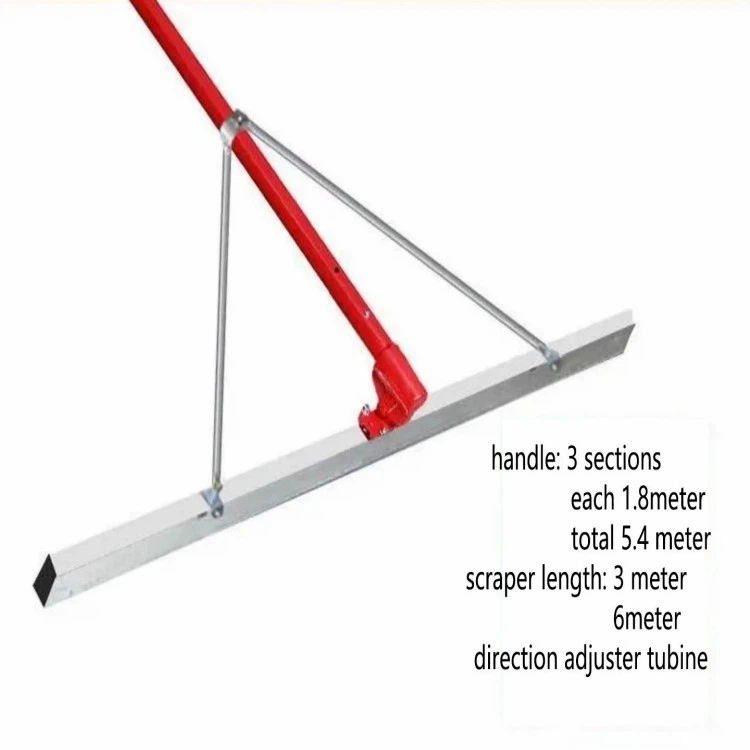

If you're looking for a reliable and efficient way to level and smooth screed while optimizing the drying time, consider investing in a Slope Power Screed from our company. Our products are designed with the latest technology and features to ensure maximum performance and productivity. Whether you're a professional contractor or a DIY enthusiast, our Slope Power Screeds can help you achieve outstanding results on your next project.
If you have any questions or would like to discuss your specific requirements, please don't hesitate to contact us. We're here to provide you with the information and support you need to make the right choice for your project.
References
- Neville, A. M. (1995). Properties of Concrete. Pearson Education.
- Mindess, S., Young, J. F., & Darwin, D. (2003). Concrete. Prentice Hall.
- Concrete Society. (2018). Technical Report 63: Guidance on the Specification and Installation of Floor Screeds.


