

As a supplier of Diesel Light Towers, ensuring the proper functioning of every component is crucial for the reliability and performance of our products. One of the key elements to monitor is the radiator. In this blog post, I'll share with you how to check the radiator of a Diesel Light Tower.
Why Checking the Radiator is Important
The radiator plays a vital role in the cooling system of a Diesel Light Tower. Diesel engines generate a significant amount of heat during operation. If the engine overheats, it can lead to various problems such as reduced engine efficiency, increased wear and tear on engine components, and in severe cases, engine failure. The radiator helps dissipate this heat by transferring it from the engine coolant to the surrounding air. Therefore, regular checks of the radiator can prevent costly repairs and ensure the long - term performance of the light tower.
Pre - check Preparations
Before you start checking the radiator, it's important to take some safety precautions. First, make sure the Diesel Light Tower is turned off and has cooled down. The engine and radiator can reach extremely high temperatures during operation, and attempting to check them while they are hot can result in serious burns. Also, wear appropriate safety gear such as gloves and safety glasses.
Visual Inspection
The first step in checking the radiator is a visual inspection. Walk around the radiator and look for any obvious signs of damage. Check for cracks in the radiator core, which is the part of the radiator that contains the tubes and fins through which the coolant flows. Cracks can cause coolant leaks, which will reduce the effectiveness of the cooling system.
Inspect the radiator hoses as well. These hoses carry the coolant between the engine and the radiator. Look for any signs of wear, such as cracks, bulges, or soft spots. A damaged hose can also lead to coolant leaks. Additionally, check the hose clamps to make sure they are tight and in good condition. Loose clamps can cause hoses to come loose, resulting in coolant loss.
Another aspect of the visual inspection is to check the radiator fins. The fins are designed to increase the surface area of the radiator, allowing for better heat transfer. However, they can become bent or clogged with dirt, debris, or insects. Use a flashlight to get a better look at the fins. If you notice any bent fins, you can use a fin comb to straighten them. For clogged fins, you may need to use compressed air or a gentle stream of water to clean them.

Coolant Level Check
The coolant level in the radiator is an important indicator of its health. Locate the coolant reservoir, which is usually a translucent plastic container near the radiator. The reservoir has markings indicating the minimum and maximum coolant levels. Check the coolant level against these markings. If the coolant level is below the minimum mark, it could indicate a leak in the system.
To add coolant, make sure the engine is cool. Slowly remove the radiator cap or the cap on the coolant reservoir. If the engine is still hot, the pressure inside the radiator can cause the coolant to spray out forcefully, which is dangerous. Once the cap is removed, add the appropriate coolant mixture. It's important to use the coolant recommended by the manufacturer of the Diesel Light Tower.
Pressure Test
A pressure test can help detect any hidden leaks in the radiator. You can use a radiator pressure tester, which is a tool that allows you to apply pressure to the radiator system. First, make sure the engine is cool. Attach the pressure tester to the radiator cap opening. Pump the tester to apply pressure to the system. The pressure should be set according to the manufacturer's specifications.
Once the pressure is applied, observe the pressure gauge on the tester. If the pressure drops over time, it indicates a leak in the system. Check all the connections, hoses, and the radiator itself for signs of coolant leakage. If you find a leak, it may be necessary to repair or replace the damaged component.
Fan and Shroud Inspection
The radiator fan and shroud are also important parts of the cooling system. The fan helps draw air through the radiator, enhancing the heat transfer process. Check the fan blades for any damage, such as cracks or chips. A damaged fan blade can cause the fan to vibrate, which can lead to further damage to the fan motor or other components.
Inspect the fan shroud as well. The shroud is a plastic or metal component that surrounds the fan and directs the airflow through the radiator. Make sure the shroud is intact and properly attached. A damaged or loose shroud can reduce the efficiency of the cooling system.
Thermostat Check
The thermostat is a valve that regulates the flow of coolant through the engine and the radiator. A malfunctioning thermostat can cause the engine to overheat or run too cold. To check the thermostat, you can remove it from the engine and test it in a pot of boiling water. The thermostat should open at a specific temperature, which is usually around 180 - 200 degrees Fahrenheit (82 - 93 degrees Celsius). If the thermostat does not open or closes too soon, it needs to be replaced.
Conclusion
Regularly checking the radiator of a Diesel Light Tower is essential for its proper operation. By following these steps, you can identify and address any potential issues before they become major problems. As a Diesel Light Tower supplier, we are committed to providing high - quality products and ensuring that our customers can maintain them effectively.
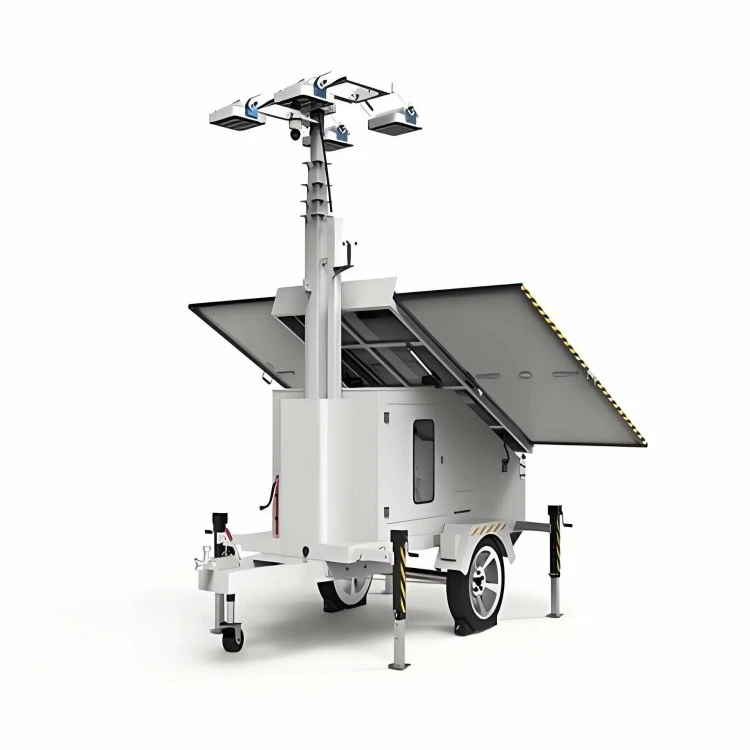
If you are in the market for a reliable light tower, we also offer a range of other options such as Foldable Solar Light Tower, Mobile Solar Light Tower, and Gasoline - powered Light Tower.
If you have any questions about our products or need further advice on radiator maintenance, feel free to contact us for procurement and negotiation. We look forward to serving you.
References
- Diesel Engine Operation and Maintenance Manuals
- Automotive Cooling System Handbook


