

Hey there! As a supplier of concrete cutting machines, I've seen firsthand how important it is to keep these bad boys in tip - top shape. Whether you're using a Diesel Walk - behind Conrete Cutting Machine, a Hydraulic Walk - behind Conrete Cutting Machine, or a High - precision Handheld Cutter, proper maintenance can save you a ton of time, money, and headaches in the long run.
Regular Inspections
The first step in maintaining your concrete cutting machine is to conduct regular inspections. You should do a quick check before each use. Look for any visible signs of damage, like cracks in the housing, loose bolts, or frayed wires. If you're using a walk - behind machine, make sure the wheels are in good condition and spin freely. For handheld cutters, check the handle grip to ensure it's secure and comfortable.
It's also a good idea to inspect the cutting blade. A dull or damaged blade not only cuts less efficiently but can also put extra strain on the machine's motor. Check for any chips, cracks, or excessive wear on the blade. If you notice any issues, replace the blade immediately. You don't want to risk a blade breaking during operation, which can be extremely dangerous.
Cleaning
Concrete dust is the enemy of your cutting machine. It can get into the moving parts, clog the air filters, and cause premature wear and tear. After each use, give your machine a thorough cleaning. Use a brush to remove any loose dust and debris from the exterior. For hard - to - reach areas, you can use compressed air.
If your machine has a water system (which is common in many concrete cutting machines to reduce dust), make sure to flush it out regularly. Over time, sediment can build up in the water tank and pipes, which can lead to blockages. Drain the water tank after each use and refill it with clean water.
Lubrication
Proper lubrication is essential for keeping your machine running smoothly. Different parts of the machine require different types of lubricants. For example, the bearings on the wheels and the moving parts of the cutting mechanism need to be lubricated regularly. Check your machine's manual to find out what type of lubricant to use and how often to apply it.
Don't over - lubricate, though. Too much lubricant can attract dust and debris, which can cause more problems. Just apply the right amount at the recommended intervals, and your machine will thank you for it.
Blade Maintenance
As I mentioned earlier, the cutting blade is a crucial part of your machine. To extend its lifespan, make sure to use it correctly. Don't force the blade through the concrete. Let the machine do the work at its own pace. If you're cutting through tough materials, use a blade that's designed for that specific job.
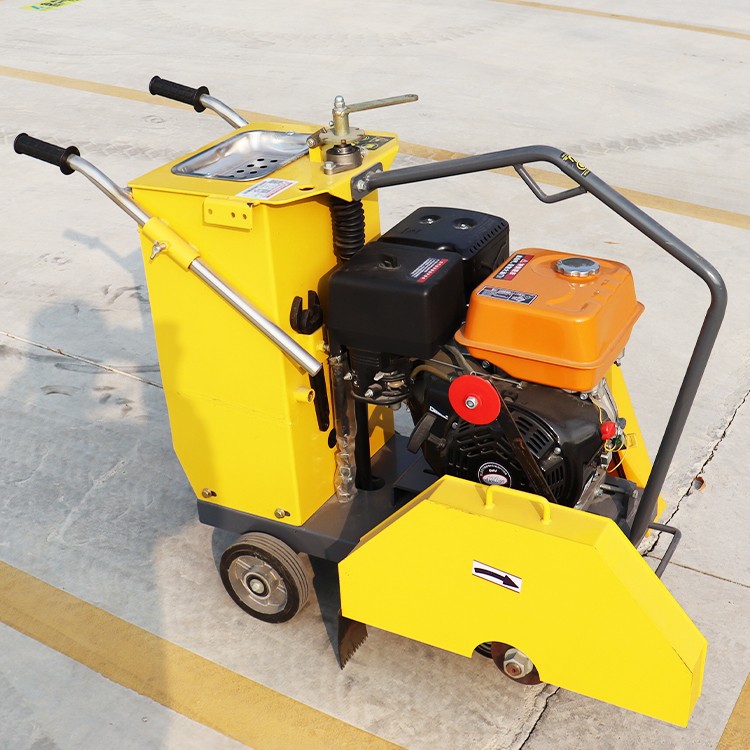

After each use, clean the blade to remove any concrete residue. You can use a wire brush or a blade cleaning solution. Store the blade in a dry place to prevent rusting. If you're not going to use the blade for an extended period, apply a light coat of oil to protect it.
Electrical and Hydraulic Systems
If your machine has an electrical or hydraulic system, these also need special attention. For electrical machines, check the power cord for any damage. Make sure all the connections are tight and there are no signs of overheating. If you notice any strange smells or noises coming from the motor, stop using the machine immediately and have it checked by a professional.
For hydraulic machines, check the hydraulic fluid level regularly. Low fluid levels can cause the machine to malfunction. Also, look for any signs of leaks in the hydraulic lines. If you find a leak, don't try to fix it yourself unless you're trained. It's best to have a professional handle hydraulic system repairs.
Storage
When you're not using your concrete cutting machine, proper storage is key. Store it in a dry, clean place. If possible, cover it with a tarp to protect it from dust and moisture. If you're storing the machine for an extended period, drain the fuel tank (for diesel machines) and the water tank. This will prevent corrosion and damage to the internal components.
Training and Operator Knowledge
Finally, make sure your operators are well - trained. A skilled operator knows how to use the machine correctly, which can reduce the risk of damage. Provide regular training sessions to keep your operators up - to - date on the latest maintenance and safety procedures.
Maintaining a concrete cutting machine isn't rocket science, but it does require some effort. By following these simple steps, you can ensure that your machine stays in good working condition for years to come.
If you're in the market for a new concrete cutting machine or need replacement parts, we're here to help. We offer a wide range of high - quality Diesel Walk - behind Conrete Cutting Machine, Hydraulic Walk - behind Conrete Cutting Machine, and High - precision Handheld Cutter. Contact us to start a procurement discussion and find the perfect machine for your needs.
References
- Manufacturer's manuals for concrete cutting machines
- Industry best practices for equipment maintenance


